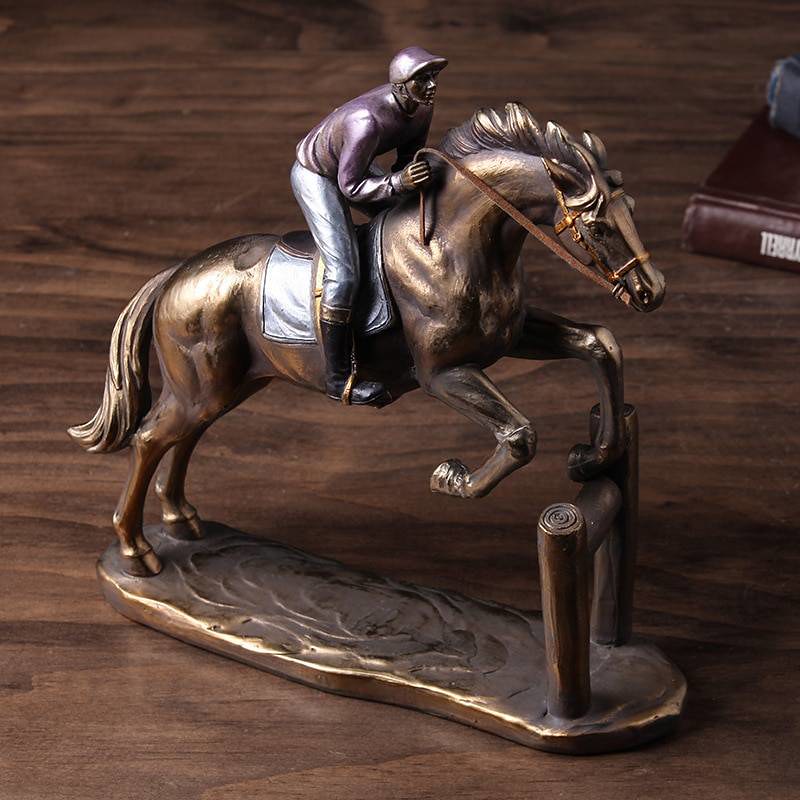
Because the temperature drops, horses burn more power to remain warm, therefore their power requirements will enhance. We can provide our horses further power in the type of concentrates and forage. Forages are digested by the microbes in your horses large intestine and produce extra heat than concentrates. An important analogy is to check focus and forage to your wooden stove. Concentrates are your kindling and Forage are the logs. Ideally a horse would receive free selection hay throughout the winter. How much further forage does your horse need to remain warm? Then they'll regulate if they need roughly throughout the day and night. A few of us have straightforward keepers who would not do nicely on free choice hay! For these horses, we have to regulate their intake. Weigh out their hay and provide it in small hole hay nets to prolong their quantity of chew time. The first thing it is advisable to do is find out how much your horse weighs. Utilizing body size plus coronary heart girth tends to be extra correct. I like to recommend using the next method versus a weight tape that solely wraps round the center girth. Utilizing a delicate measuring tape (the type usually present in sewing kits) measure your horses coronary heart girth and write the variety of inches down. Next, measure the body length from level of shoulder to point of hip, and write it down. Write down the HG and BL also, this may help ensure you that you're measuring at the same location each time. Be sure to write it all right down to discuss with all through the winter. In case you are a number of inches off, most probably you are measuring from a barely different location (except you possibly can tell by trying that your horse has obviously gained or lost weight). Try to find landmarks. Paint horses have great landmarks! Now that you know how a lot your horse weighs, you can determine how a lot hay he needs to eat. Your common horse in best weight should devour 2% of his body weight. Some laborious keepers require upwards of 2.5% of body weight. If in case you have an overweight horse, you can drop all the way down to 1.5% of his body weight, however no lower than that or you'll be creating a whole other set of points! 23lb of hay per day. Max weighs 1,159lb and needs to eat 2% of his body weight. When the temperature drops under 45 degrees F (together with wind chill) horses begin to burn extra vitality to remain warm. This forty five diploma mark metal horse sculpture known as "Crucial Temperature". For each 1 diploma F below the essential temperature, your horse would require a 1% improve in digestible power (DE). As with every little thing horse related, there are a whole lot of variables to this rule, similar to wind chill, rain/sleet, your horses coat thickness or for those who blanket. Consider digestible power like your horses calorie requirement. Since horse nutrition is 90% math, lets get again to that! If I continue with the math we'd calculate your horse's DE requirements, next calculate how much additional DE is required for your current temperature, next test your hay to see exactly how a lot DE it supplies per pound, lastly calculate how a lot extra hay will provide the extra DE required for the present temperature. If it is 20 levels F the place our buddy Max lives he would wish a further 2 1/2-5lb of hay. This guideline is for horses at upkeep or gentle work. Extra hay shall be wanted if your horse is a tough keeper, in heavy work, or on poor high quality hay.